Boroscopy,Hydro Test, Passivation, Pneumatic Test
Our Services
Overview
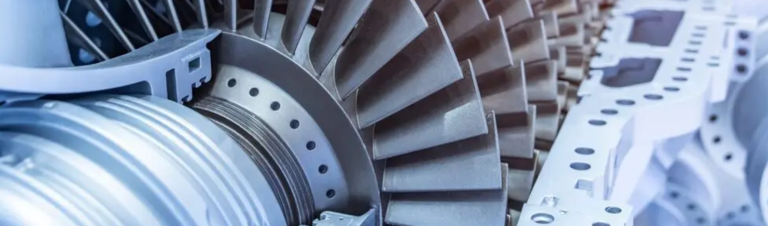
Boroscopy
Boroscopy is a non-invasive inspection technique used to examine the internal surfaces of pipes, welds, and equipment. Using high-resolution video boroscopes, we detect imperfections, weld defects, corrosion, and contamination risks that aren’t visible from the outside — especially critical in sterile and high-purity water systems.
Key Features & Benefits
- Detects weld root defects, pitting, and contamination
- Helps ensure orbital weld quality and internal pipe hygiene
- Supports GMP, WHO, and FDA compliance
- No dismantling or invasive cutting required
- High-resolution video and image capture
- Ideal for both validation and preventive maintenance
Uses
Where This Service Is Used
- Pharmaceutical and biotech pipelines
- RO and PW generation loops
- Clean steam and WFI distribution lines
- API and injectable manufacturing plants
- New piping projects or post-weld inspections
Overview
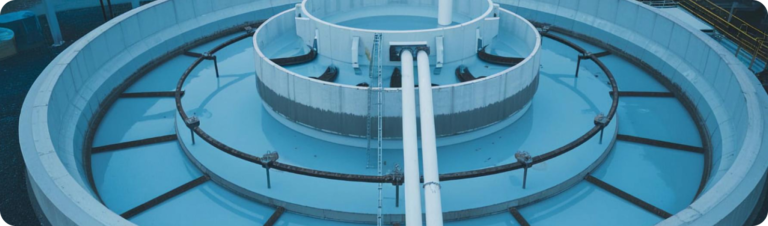
Hydro Test
Hydro testing is a quality assurance process that verifies the structural integrity and leak-resistance of pipelines, vessels, and complete water systems. By filling the system with water and pressurizing it to set limits, we check for leaks, weak joints, and potential failures — ensuring the system is safe and reliable before going live.
Key Features & Benefits
- Detects leaks and weaknesses before commissioning
- Ensures system safety and regulatory compliance
- Non-destructive and reliable testing method
- Supports validation for clean utility systems
- Complies with ASME, GMP, and plant-specific standards
- Full documentation provided
Uses
Where This Service Is Used
- RO and purified water pipelines
- Clean steam and process fluid lines
- Storage vessels and distribution loops
- API and injectable manufacturing lines
- Pharmaceutical utility systems before handover
Overview
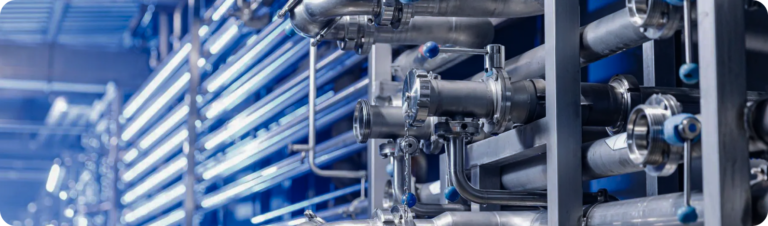
Passivation
Passivation is a chemical treatment process that removes free iron and surface contaminants from stainless steel equipment and pipelines. It restores the material’s natural corrosion-resistant layer — critical in pharmaceutical and cleanroom environments where system hygiene and durability are non-negotiable.
Key Features & Benefits
- Removes iron and weld-related contaminants
- Restores protective oxide layer on stainless steel
- Enhances corrosion resistance and system longevity
- Complies with ASTM A967 and industry standards
- Suitable for both new and refurbished systems
- Delivered with iron level reports and QA certification
Uses
Where This Service Is Used
- Pharmaceutical and biotech water systems
- RO loops, purified water, and clean steam lines
- Stainless steel tanks, vessels, and process skids
- Injectable plants and cleanrooms
- After welding or system refurbishment
Overview
Pneumatic Test
Pneumatic testing is a pressure verification process that uses compressed air or inert gas (like nitrogen) to test the leak-tightness and strength of pipelines, vessels, and fittings. It’s especially useful in systems where hydro testing isn’t feasible due to moisture sensitivity, weight limitations, or contamination risk.
Key Features & Benefits
- No moisture introduced — ideal for dry systems
- Lighter and faster than hydro testing
- Safe for systems with weight or corrosion sensitivity
- Detects even micro-leaks with precision
- Delivered with full pressure logs and test certification
- Ideal for final QA before commissioning
Uses
Where This Service Is Used
- Clean steam lines
- Gas distribution systems
- Dry process and vacuum lines
- RO and purified water pipelines (post-cleaning)
- Vessels and tanks not suited for hydrostatic loading